

Choosing the right fencing for your home is an important decision because a fence installation can affect your property’s privacy, security, appearance, and overall value. With so many materials, designs, heights, and styles available, it can be difficult to know which option is most suitable. Taking time to understand your property’s needs and your personal priorities can help you make a practical and lasting choice. From deciding the main purpose of the fence to considering maintenance and cost, several factors should guide your decision.
Determine Your Fencing Needs
The first step is to identify why you need fencing. Different properties require fencing for different reasons. If privacy is your main concern, you may want a taller and more enclosed design that limits visibility into your garden. If security is the priority, you should focus on strong materials, durable posts, and a design that provides an effective boundary.
Fencing can also be useful for keeping children and pets safely within the garden. In other situations, it may simply be intended to define your property or improve its appearance. Understanding the main purpose will make it easier to narrow down suitable options.
Select A Suitable Material
The fencing material can have a major impact on its appearance, durability, maintenance requirements, and cost. Timber remains a popular choice because it offers a natural appearance and works well with many types of gardens. However, wooden fencing may require regular treatment and maintenance to protect it from weather-related deterioration.
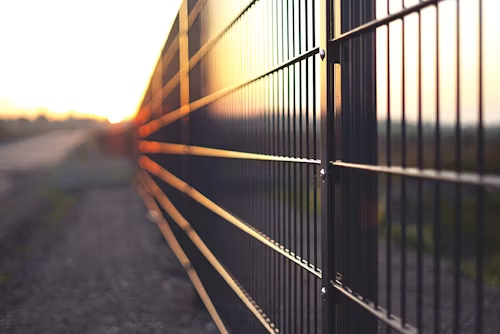
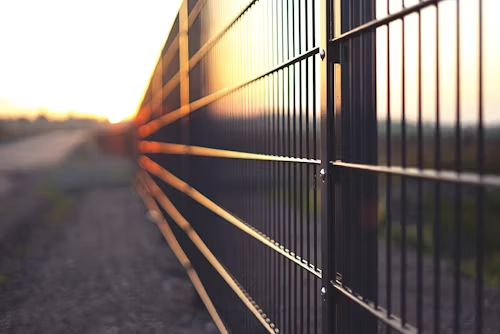
Composite fencing can provide a contemporary appearance while generally requiring less maintenance than traditional timber. Metal fencing may be suitable when strength and durability are particularly important. Consider how each material will perform in your property’s conditions rather than choosing one based solely on appearance.
Consider Your Property
Your property’s layout and existing boundaries should also influence your fencing decision. Measure the area carefully and consider whether the ground is level, sloped, exposed, or difficult to access. Uneven ground may require a particular installation approach, while areas exposed to strong winds may need stronger posts and appropriate fencing designs.
You should also establish where the property boundary is before installation. This is particularly important when the proposed fence separates your property from a neighbour’s. Checking boundaries beforehand can help prevent disagreements and avoid unnecessary costs.
Think About Style And Maintenance
A fence should complement the appearance of your home and garden. Consider the colour, height, design, and finish alongside existing landscaping, gates, walls, and other outdoor features. A well-chosen fence can make an outdoor space look more organised and attractive.
Maintenance should also be considered before making your final choice. Ask yourself how much time and money you are willing to spend maintaining the fence. Some materials require periodic painting, staining, or treatment, while others are designed to require less ongoing care.
Compare Cost And Long-Term Value
Budget is another important part of making a fencing decision. Instead of looking only at the initial installation price, consider the long-term value of each option. A cheaper fence may require more frequent repairs or replacement, while a more durable option may provide better value over time.
Obtain clear quotations and check what is included in the total price. Installation, posts, gates, removal of an existing fence, preparation work, and waste disposal can all affect the final cost.
Ultimately, the best home fencing decision is one that balances purpose, durability, appearance, maintenance, property conditions, and budget. By considering these factors carefully before installation, homeowners can choose fencing that not only looks good but also performs effectively and provides lasting value.